You Missed the Mark on the Wine Industry — Jeanine vs. Hydro Flask Pt. 3
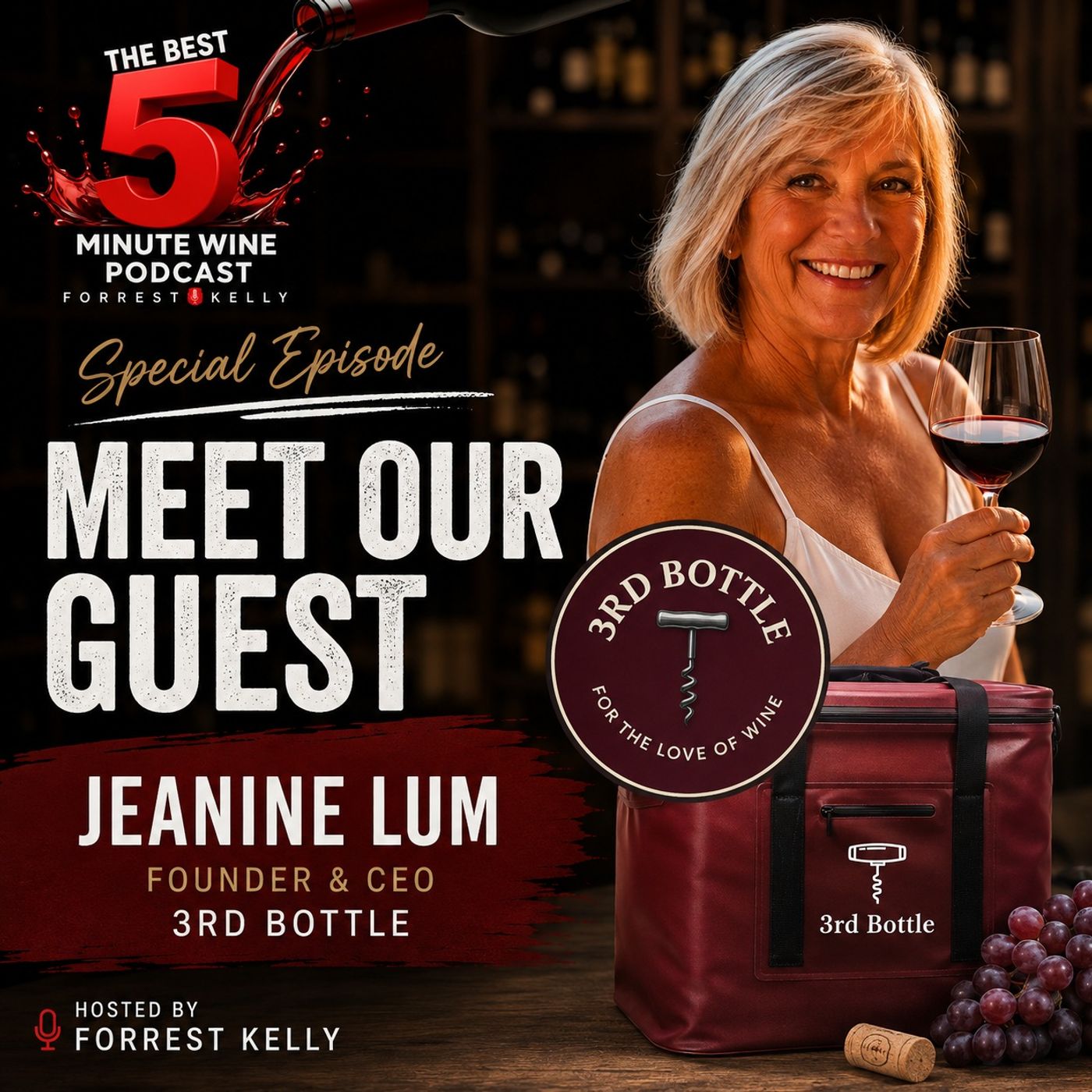
Tonight's Episode
This part is where the numbers come out. Jeanine wanted twelve to fifteen hours of chill, driven by a specific need: she and her husband keep a second home in Albuquerque, the drive runs through desert heat, and she favors black vehicles, which is one more thing working against the wine in the back. What the finished product actually delivers exceeded her target — the twelve-pack holds for twenty-four hours and beyond, and she's tested it under a truck cover, deliberately engineering a heat trap, across the full twelve-hour run from Orange County to Albuquerque. The six-pack is the short-trip version: picnics, concerts, a day at the beach, six to eight hours as long as you keep it zipped.
She also talks about what she had to let go. She wanted a collapsible bag for boats and RVs, and the engineering wouldn't support it — the design couldn't hold temperature. That's the moment, she says, where her stubbornness had to give way to someone who actually knew better.
Then there's everyone else. Once word gets out that you're building something, people arrive with suggestions, and Jeanine's response to the two-pack and three-pack crowd is that she's already thought it through — the ice pack system doesn't earn its keep at that size, and plenty of simple bags already exist for a dinner out. Her real problem was never dinner. It was tasting rooms: buying six or nine or twelve bottles, then facing the next winery with nowhere to put them. Her husband wouldn't carry them in and wouldn't leave them in the car. What she needed, as she puts it, was a wine mule. He quit.
The centerpiece is her conversation with Travis Rosbach, co-founder of Hydro Flask, who asked her the obvious business question: why rebuild the entire cooler instead of just selling the ice packs? Her answer is the thesis of the whole product. The cooler companies built for beer, and wine bottles are taller. Loose ice chills unevenly and can overchill a bottle, and soaking labels means losing them — which matters not only for knowing what you're drinking but for the artist whose work is on the bottle. Rosbach laughed and conceded the point
@thebestwinepod
Discover More from The Best 5 Minute Podcast Network:
Hosted by Simplecast, an AdsWizz company. See pcm.adswizz.com for information about our collection and use of personal data for advertising.
 Apple Podcasts
 Spotify
 YouTube